Dalam Artikel Ini
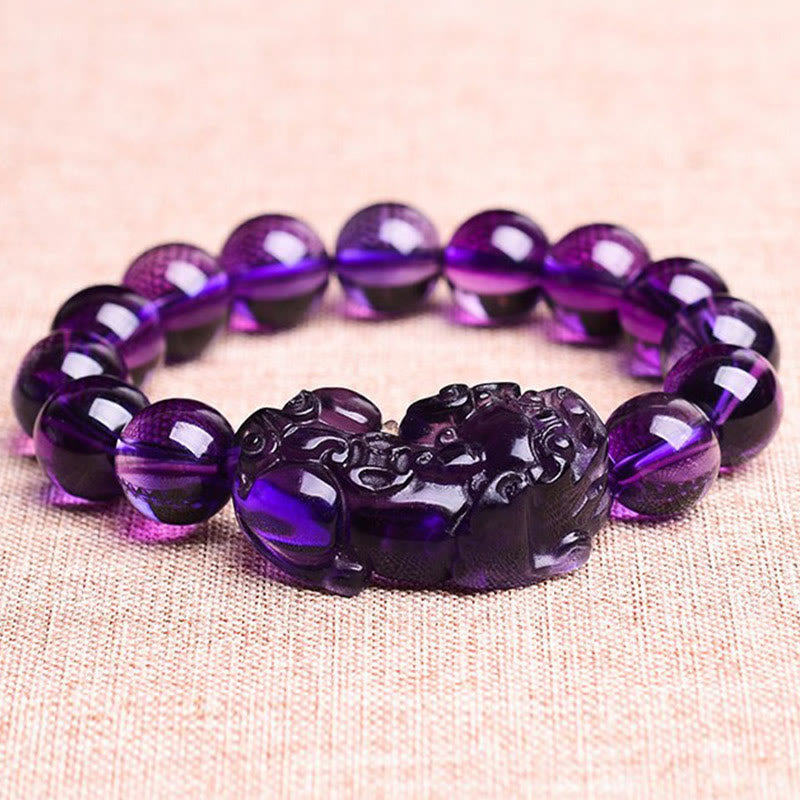
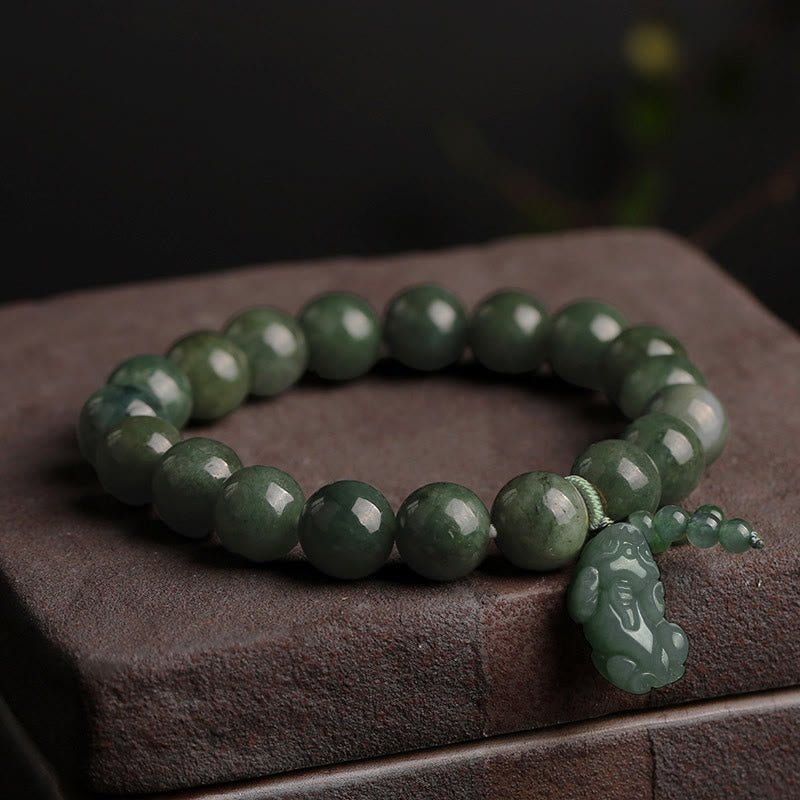
The Pixiu (貔貅) is a celestial creature from Chinese mythology — a winged lion-dragon said to feast on gold and silver and, crucially, to have no way of letting wealth back out. That one-way appetite is why Pixiu charms have been worn for centuries as symbols of attracting and keeping wealth.
What the Pixiu symbolises
In feng shui tradition the Pixiu serves two roles: drawing in wealth luck (招财) and guarding what you already have (守财). Paired with black obsidian — itself a traditional protective stone — the Pixiu bracelet became the classic “wealth and protection” talisman.
Which wrist should you wear it on?
Tradition says the left wrist. In Chinese energy practice the left side is the receiving side — wearing Pixiu on the left invites wealth in, while the right side is said to give energy away. Most wearers also point the Pixiu’s head outward, toward the fingers, so it can “hunt” wealth ahead of you.
Traditional do’s and don’ts
- Do touch your Pixiu often — tradition holds that it bonds with its owner.
- Do take it off when sleeping or bathing; rest it facing a door or window.
- Don’t let others handle it frequently — it is considered a personal talisman.
- Don’t wear it touching a mirror or point the head at yourself.
Caring for the stone
Black obsidian is volcanic glass: hard, but it dislikes knocks and chemicals. Wipe with a soft dry cloth, keep away from perfume and sunscreen, and re-string every couple of years if worn daily. See our full care guide.